STEM (Science, Technology, Engineering, and Mathematics) is a rapidly growing field that encompasses a wide range of disciplines. From computer science and engineering to physics and biology, STEM offers a diverse and exciting range of opportunities. To stay on top of the latest trends and techniques in STEM, it's important to keep learning and growing. In this blog, we'll provide a list of the top 10 must-read books for people in STEM, including both classic and contemporary works. Whether you're a student, researcher, or professional, these books will provide valuable insights and inspiration for your career and personal growth.
The Innovators by Walter Isaacson
"The Innovators" by Walter Isaacson is a must-read for anyone interested in the history of technology and innovation. The book explores the history of computing and the people who made it possible, from Ada Lovelace and Charles Babbage to Bill Gates and Steve Jobs. Through interviews with leading innovators and extensive research, Isaacson provides a comprehensive and engaging account of the development of computing and its impact on society.

Code Complete by Steve McConnell
"Code Complete" by Steve McConnell is a classic work on software engineering and programming. The book provides practical advice and techniques for writing high-quality code, covering topics such as design, testing, debugging, and maintenance. With a focus on best practices and proven techniques, "Code Complete" is a valuable resource for anyone involved in software development.

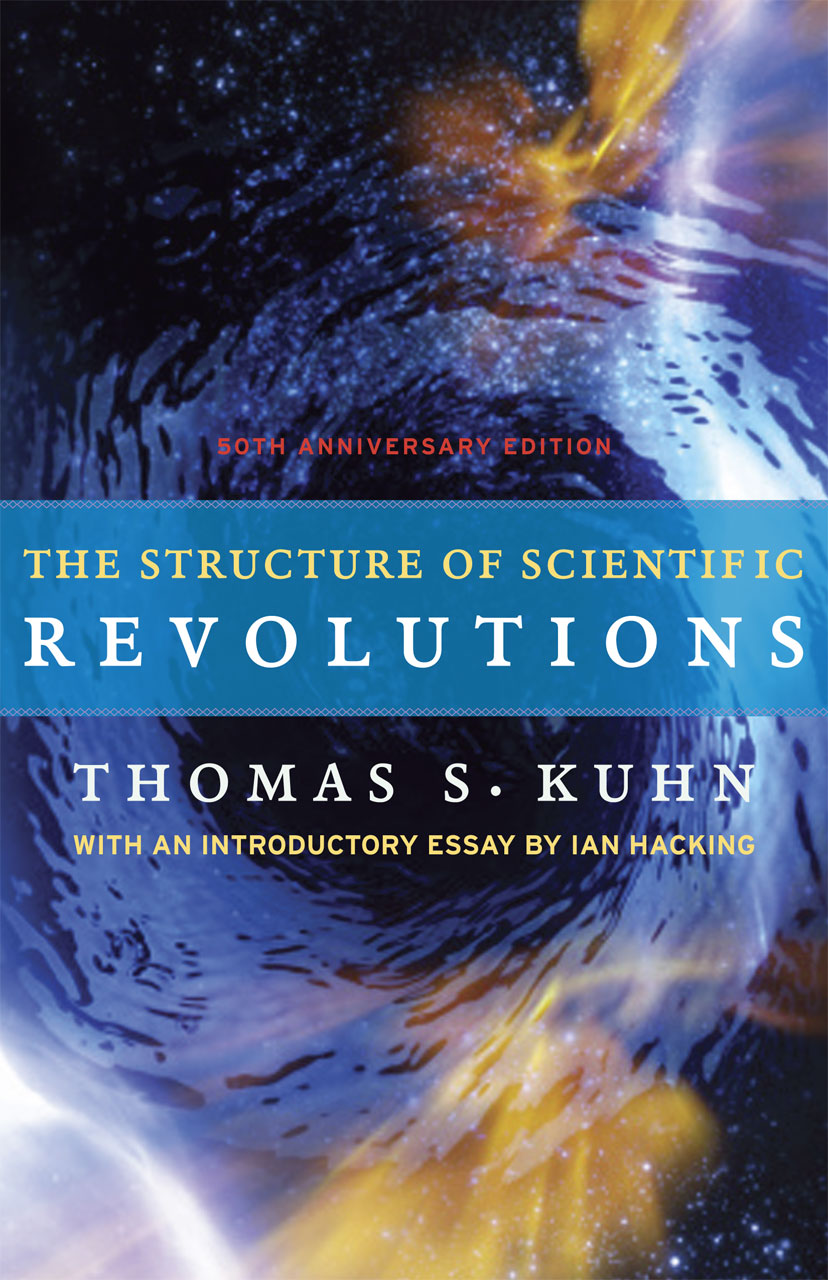
The Structure of Scientific Revolutions by Thomas Kuhn
"The Structure of Scientific Revolutions" by Thomas Kuhn is a seminal work in the philosophy of science. The book explores the process of scientific discovery and the role of paradigm shifts in the development of scientific knowledge. Kuhn's insights into the nature of scientific progress have had a profound impact on the philosophy of science and the history of scientific thought.
The Selfish Gene by Richard Dawkins
"The Selfish Gene" by Richard Dawkins is a classic work in evolutionary biology. The book introduces the concept of the gene as the fundamental unit of evolution and explores the role of genes in shaping behavior and social structures. Dawkins' ideas have had a profound impact on the field of biology and continue to inspire new research and insights.

The Feynman Lectures on Physics by Richard Feynman
"The Feynman Lectures on Physics" by Richard Feynman is a classic work in physics education. The book provides a comprehensive and engaging introduction to the field of physics, covering topics such as mechanics, electromagnetism, and quantum mechanics. Feynman's approachable style and clear explanations make this book a valuable resource for anyone interested in physics.

Conclusion
STEM is a rapidly evolving field that requires ongoing learning and growth to stay competitive and
innovative. The top 5 must-read books we've highlighted in this blog cover a range of topics, from the history of
computing and the philosophy of science to software engineering and data science. Whether you're a student,
researcher, or professional, these books offer valuable insights and inspiration for your career and personal growth.
By reading these books, you can gain a deeper understanding of the key concepts and principles that
underpin STEM fields. You'll also learn about the groundbreaking discoveries and innovations that have shaped the
world we live in today. So, if you're looking to expand your knowledge and expertise in STEM, be sure to add these
books to your reading list. Happy reading!